University of Oxford
2026 - 2030PhD Robotics and AI
└ University of Manchester - MSc Robotics (Visiting Student)· 2026 - 2027
Robots and AI PhD student @ Oxford (RAINZ CDT)
Hi, I'm Archie. I'm a Robotics and AI PhD student at the University of Oxford within the Robotics and AI for Net Zero Centre for Doctoral Training(RAINZ CDT). I am currently at the University of Manchester as a visiting student for the first year of the CDT programme, taking classes from the MSc Robotics course.
PhD Robotics and AI
└ University of Manchester - MSc Robotics (Visiting Student)· 2026 - 2027
BSc Computing Science - First-Class honours
University of Aberdeen
Research internship focused on developing a modular and extensible formal verification tool supporting ongoing research.
University of Aberdeen
Led practical sessions for Programming 1, supporting 60+ students learning programming fundamentals.
My research interests are:
I am also interested in low-level development, theoretical computer science, and technology ethics, particularly regarding AI, privacy and information ethics.
j/k project · h/l image
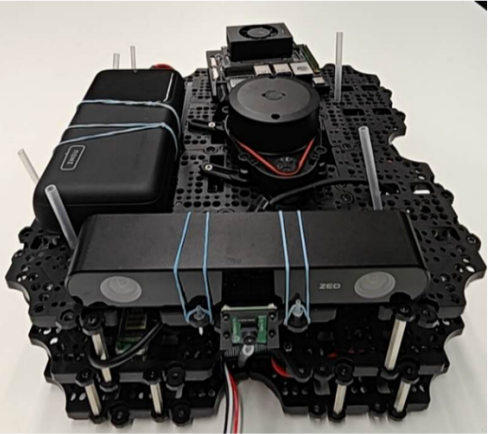
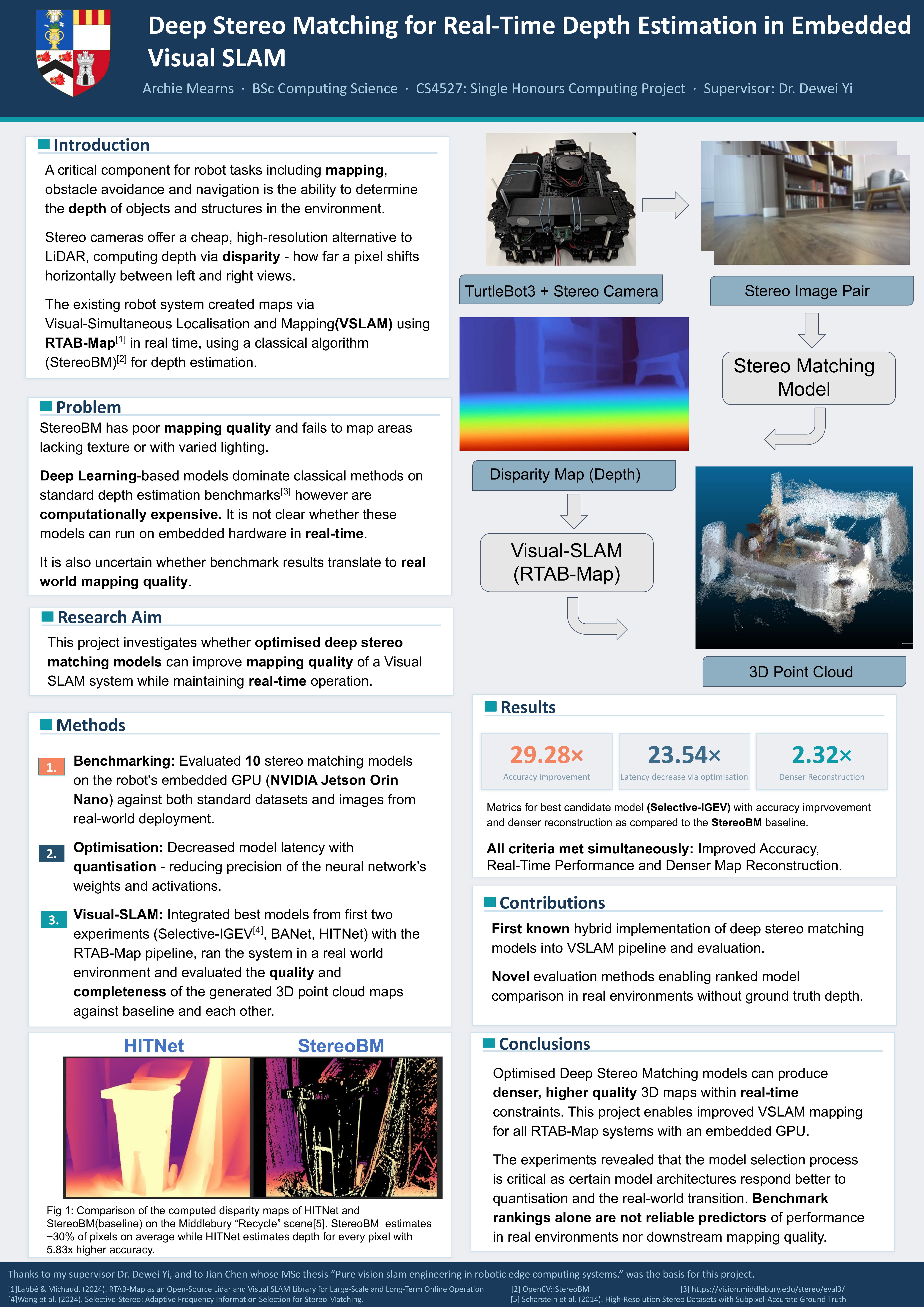
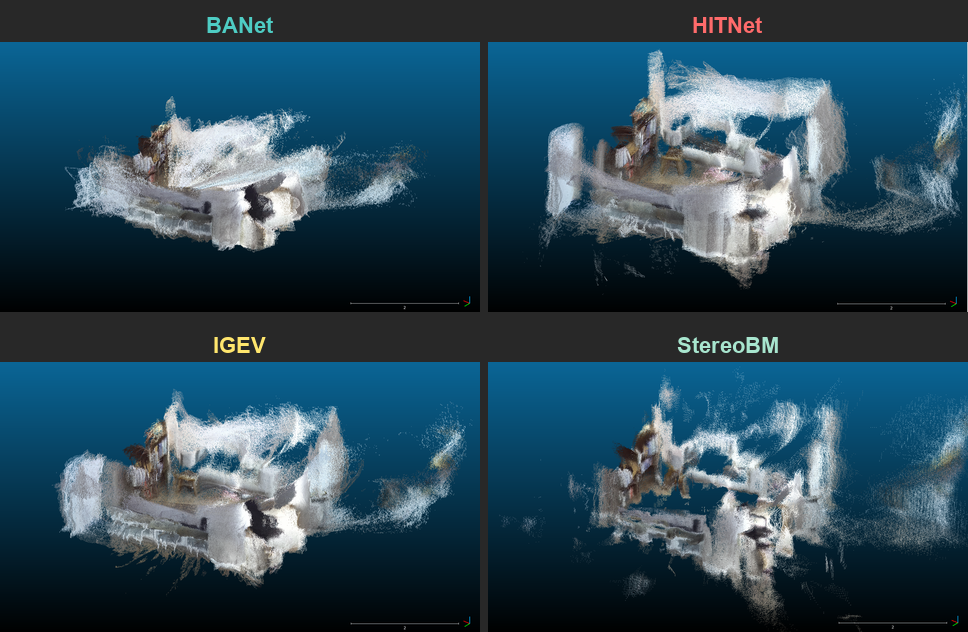
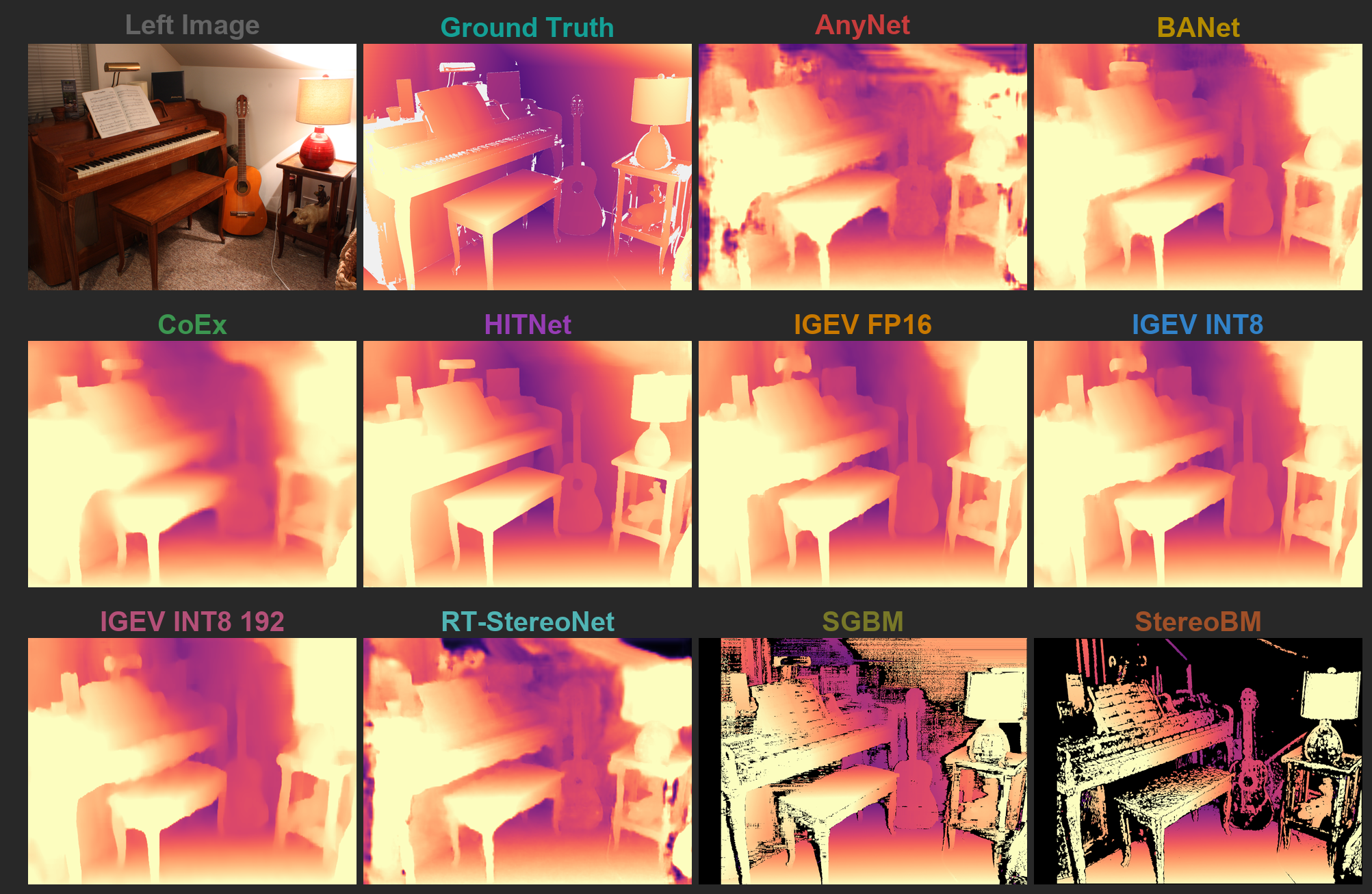
Investigated the use of optimised deep learning-based stereo depth estimation models to improve dense reconstruction over traditional stereo matching algorithms in a real-time Visual-SLAM pipeline. Used TensorRT quantisation to optimise existing stereo matching models before comparing and evaluating on standard datasets (KITTI, Middlebury), real-world data, and downstream effect on SLAM and dense scene reconstruction quality. The best performing model was able to produce dense, high quality reconstructions in real-time using an optimised configuration that decreased latency by 23x at the expense of only 5-12% accuracy loss.
Accurate depth estimation is critical for enabling autonomous mobile robots to create 3D for use in navigation, scene understanding and other tasks. Deep learning-based stereo matching models dominate classical methods for depth estimation on standard benchmarks, although have not yet had widespread adoption in real-time embedded Visual-SLAM. This is in part due to computational constraints and uncertainty of performance on real world data. This project investigates optimised deep stereo matching models for improving mapping quality in an embedded Visual-SLAM pipeline while maintaining real-time operation. Three deep stereo matching models were integrated into an RTAB-Map pipeline on a TurtleBot3 robot platform equipped with a ZED stereo camera and an NVIDIA Jetson Orin Nano edge GPU. Quantitative and qualitative evaluation of the resulting maps revealed that deep learning-based models create higher quality and more complete 3D point cloud maps than the classical baseline. Selective-IGEV produced the best map quality within the real-time constraint using an optimised configuration that decreased latency by 23x at the expense of only 5-12% accuracy loss. Benchmark results alone are insufficient for model selection as they are unreliable predictors of real world transfer performance, deployment suitability or downstream VSLAM performance. The results demonstrate that optimised deep stereo matching models can improve real world mapping quality in real time fulfilling the research aim and enabling better mapping quality for any VSLAM system with an embedded GPU.
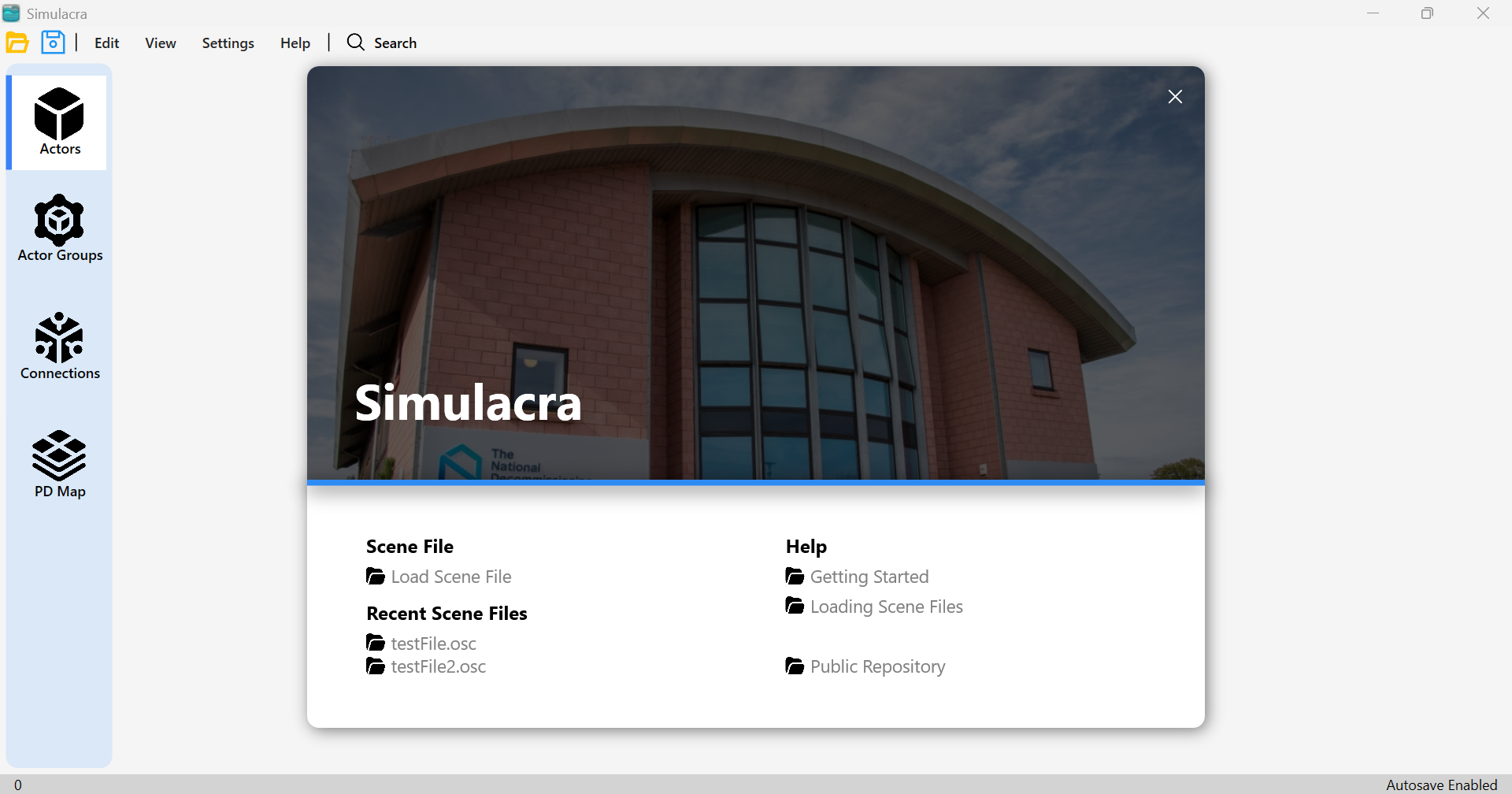
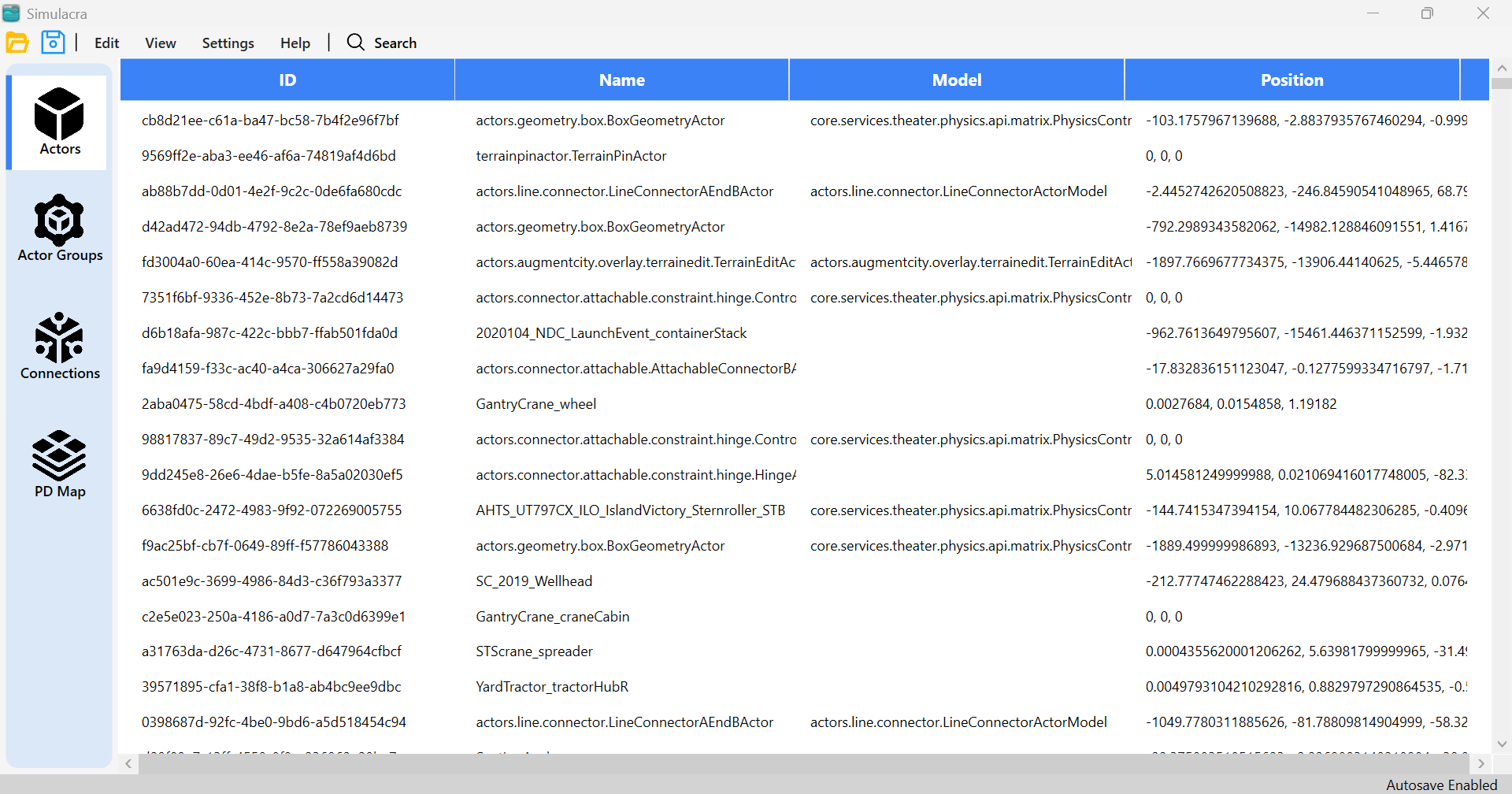
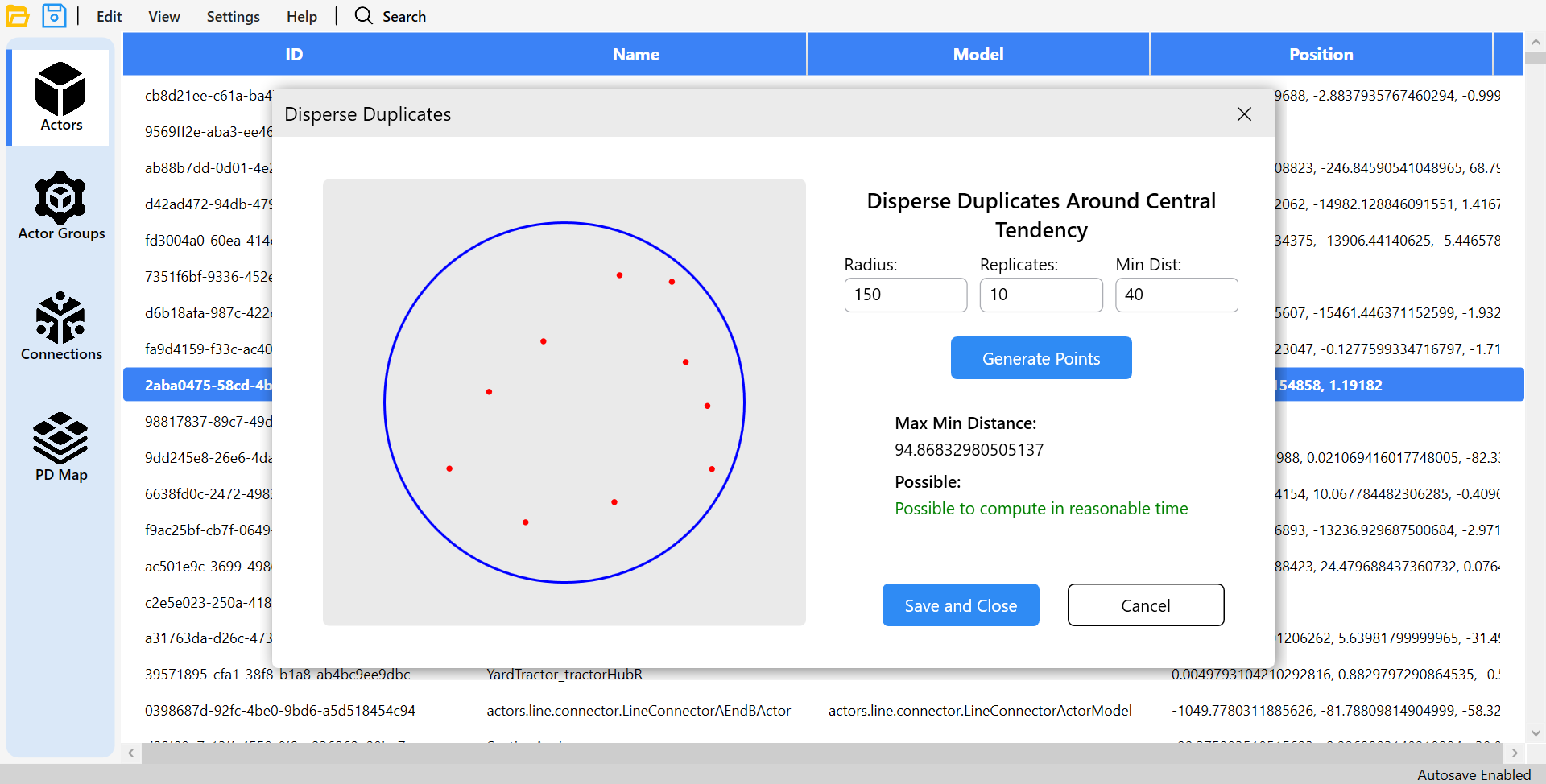
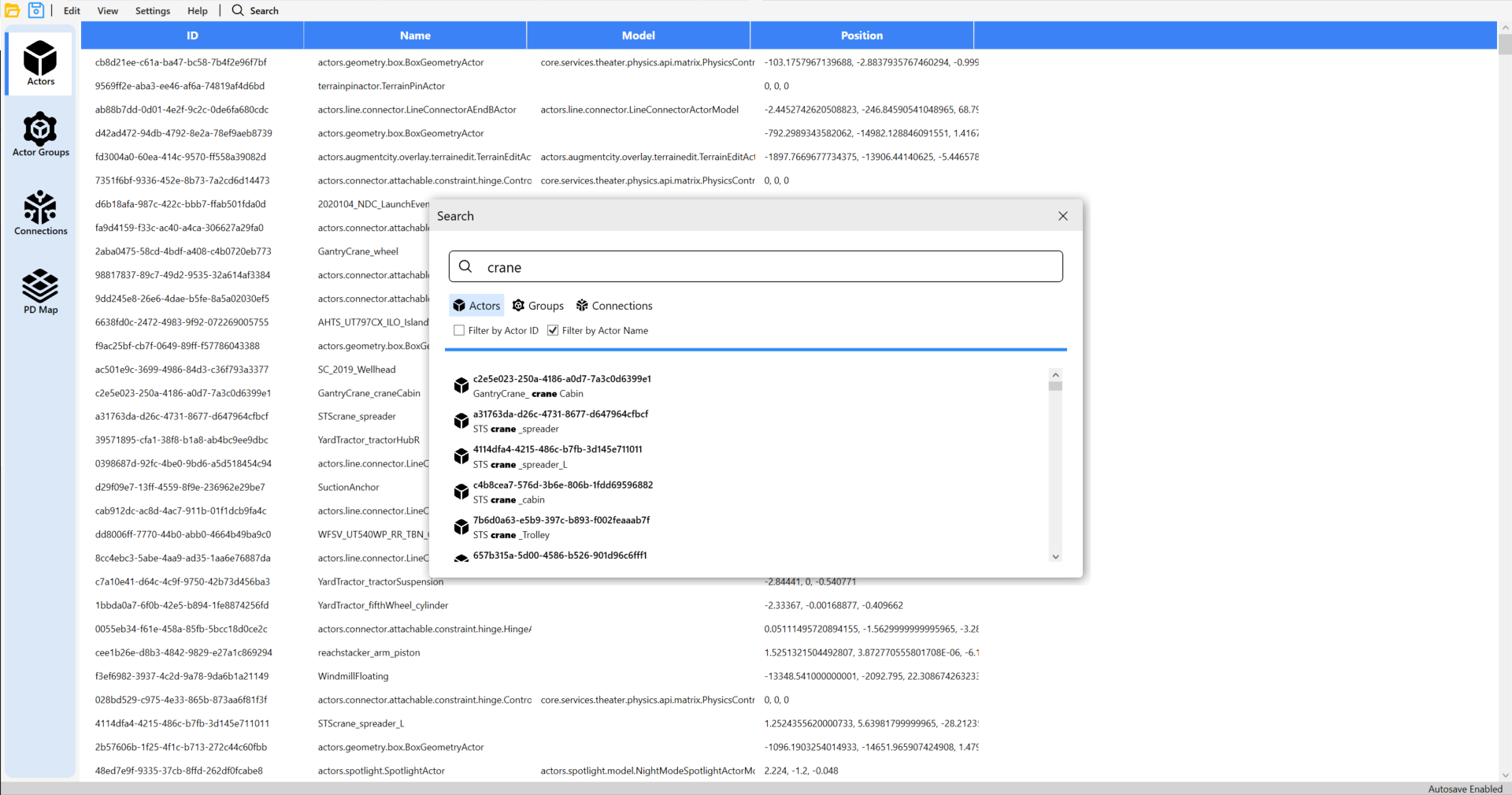
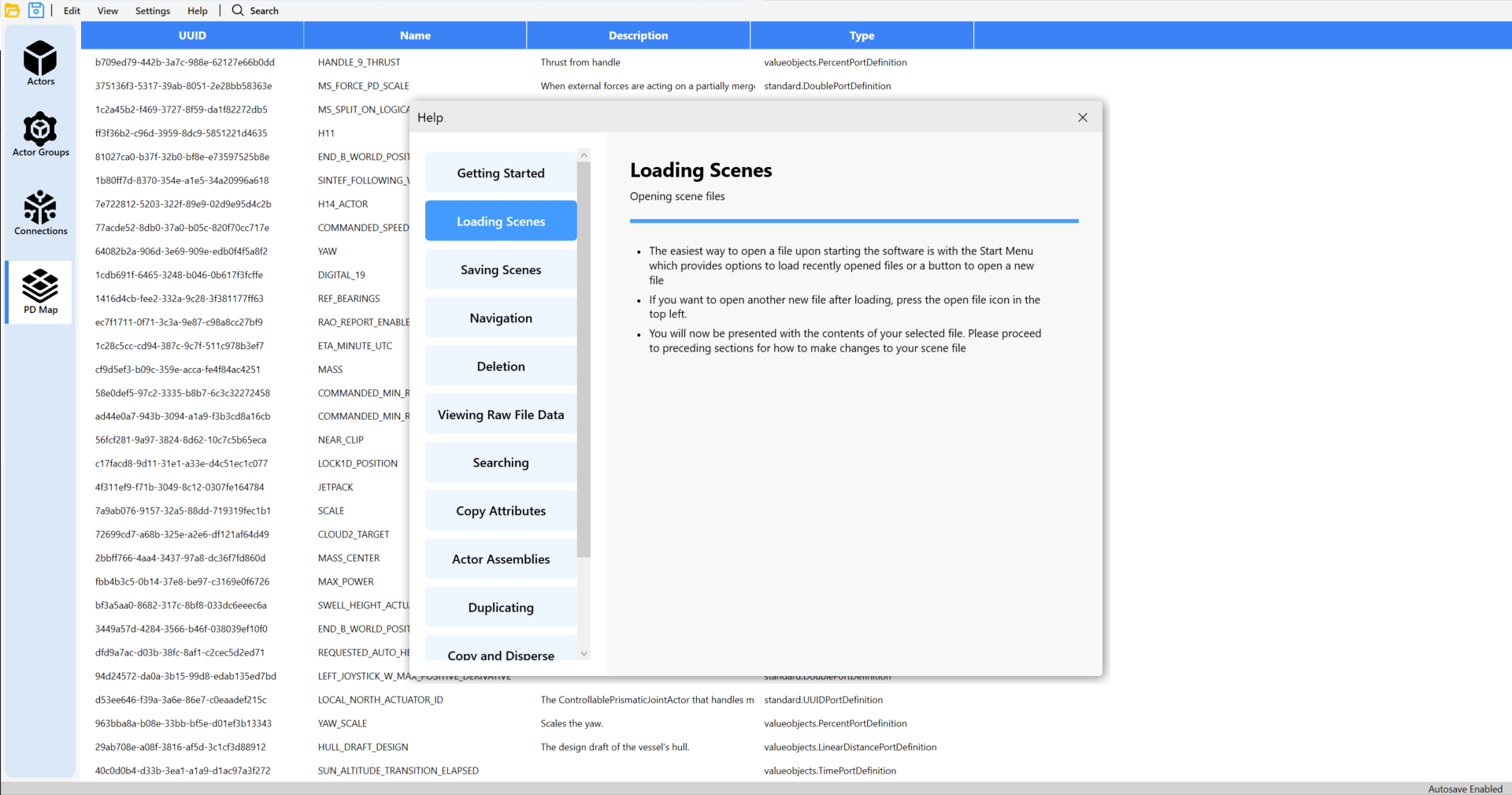
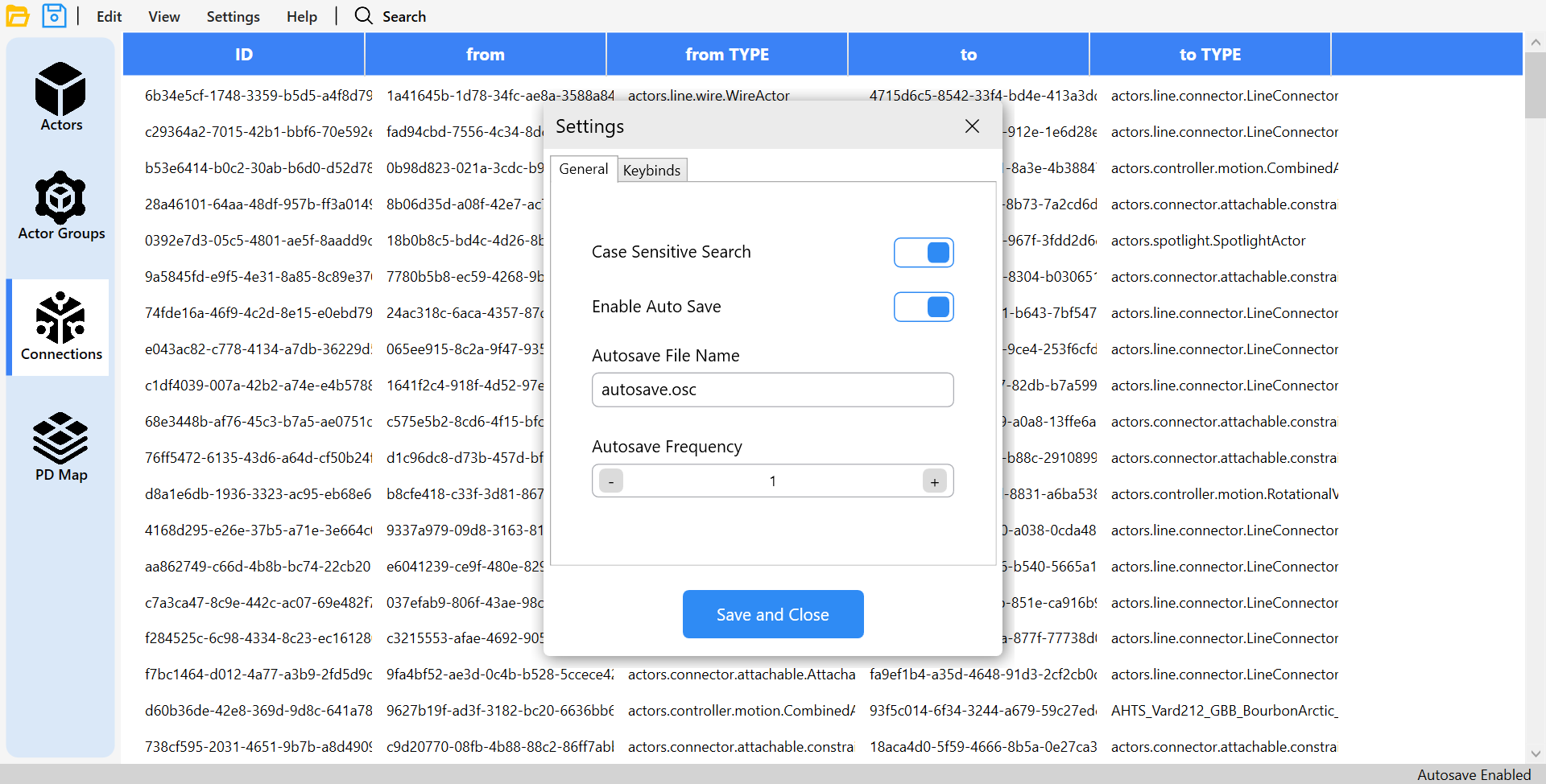
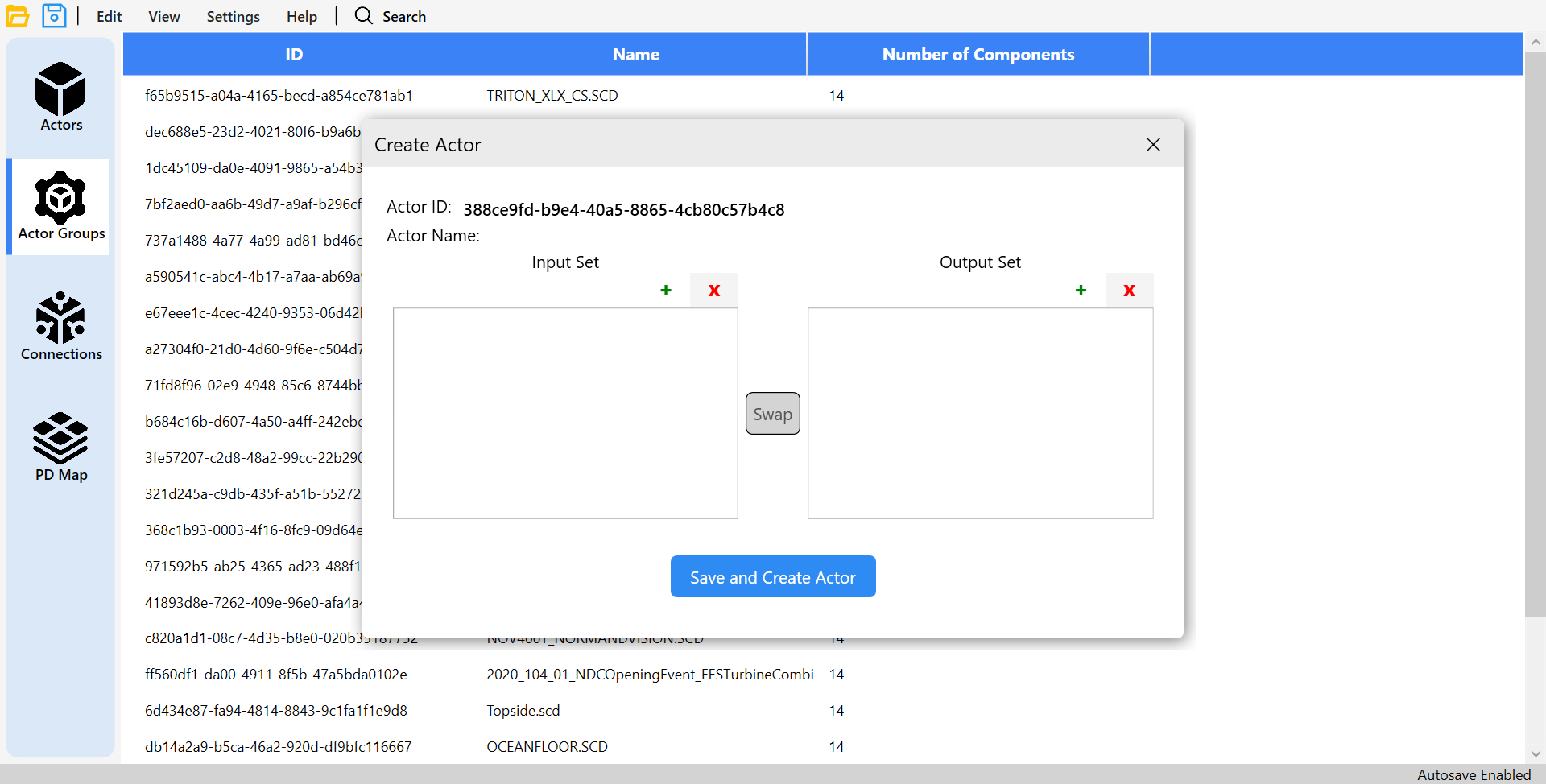
Led a group of 7 students in a year long software engineering project for the National Decommissioning Centre(NDC) as the coursework for Software Engineering 1 and 2.
The NDC is equipped with a £1.6m marine simulator featuring immersive 300-degree displays powered by over 20 different computers. The simulator is used extensively in their work in decommissioning and in renewable energy R&D. However, there are lots of routine day to day operations the engineers require that are not natively supported by the simulator.
We designed and implemented a scene editor, using C# and WPF, for the marine simulator supporting easy and efficient editing of scene files including complex operations unsupported by the simulator.
My focuses in the project were in scene parsing, internal representation, collision detection, search and other backend development.
Guided the software development lifecycle, from requirements gathering, through implementation, testing, refactoring, regular client meetings for feedback, and performance/usability evaluation. The final system met all client requirements and implemented many additional features.
Formal verification of Multi-Agent Systems (MAS) increasingly requires accommodating new classes of properties for model checking tasks. Much recent work involving model checking tasks involving epistemic attributes, cryptographic reasoning, bias awareness and others that often lack accommodation in existing model checking tools. In many cases, the burden for creating an entirely new tool from scratch to support a specific research project or prototype is too high. Existing model checking tools for MAS such as MCMAS and PRISM typically support a single logic and model checking tasks are restricted to the supported modalities and model checking algorithm. To the best of our knowledge, no known model checking tool supports a natively extensible modelling language.
We present a modular and extensible command-line model checker for MAS with a core built around Alternating-time Temporal Logic, but which is architected and designed to support extensions and prototyping. The formula language, modelling language and model checking algorithm are all designed to be extended independently through plugins without requiring modification of the core of the tool. The extensibility is demonstrated with two implemented plugins: a symbolic cryptography extension supporting verification of cryptographic protocols including Diffie-Hellman and Station-to-Station using the Dolev-Yao adversary model, and Bias-aware ATL (bATL) which maps variables to bias levels supporting reasoning about the influence of bias-sensitive attributes in decision processes.
Contributions
Traditional distributed coordination methods for multi-robot systems have extensive communication, however, many potential applications for multi-robot systems such as in disaster response or exploration can't assume reliable communication channels.
I designed a novel algorithm inspired by honey bee waggle-dance behaviour relying on local interaction for distributed task allocation in a multi-robot foraging scenario. As all communication is through local interaction, communication failures or unreliability have no effect on performance.
Implemented the G-Prim Allocation Auction algorithm as the state of art baseline and ran controlled experiments evaluating task completion efficiency under varied communication ranges.
Created a simulation using ROS2 and pyrobosim for a cooperative multi-robot system for the discovery and collection of fossils.
Comprised of an explorer robot and a collector robot in which the explorer moves faster and uses less battery that focuses on exploring an area using custom search patterns identifying both fossils and objects in the landscape. It then communicates to the collector robot which then goes to collect a fossil and brings it back to deposit it.
Both robots make use of automated battery management that will consider the battery required and how much is necessary to reach the charger for all movement planning.
Features: